How to display concert posters without overwhelming a small room
· Editorial team newswithryanchicago.com
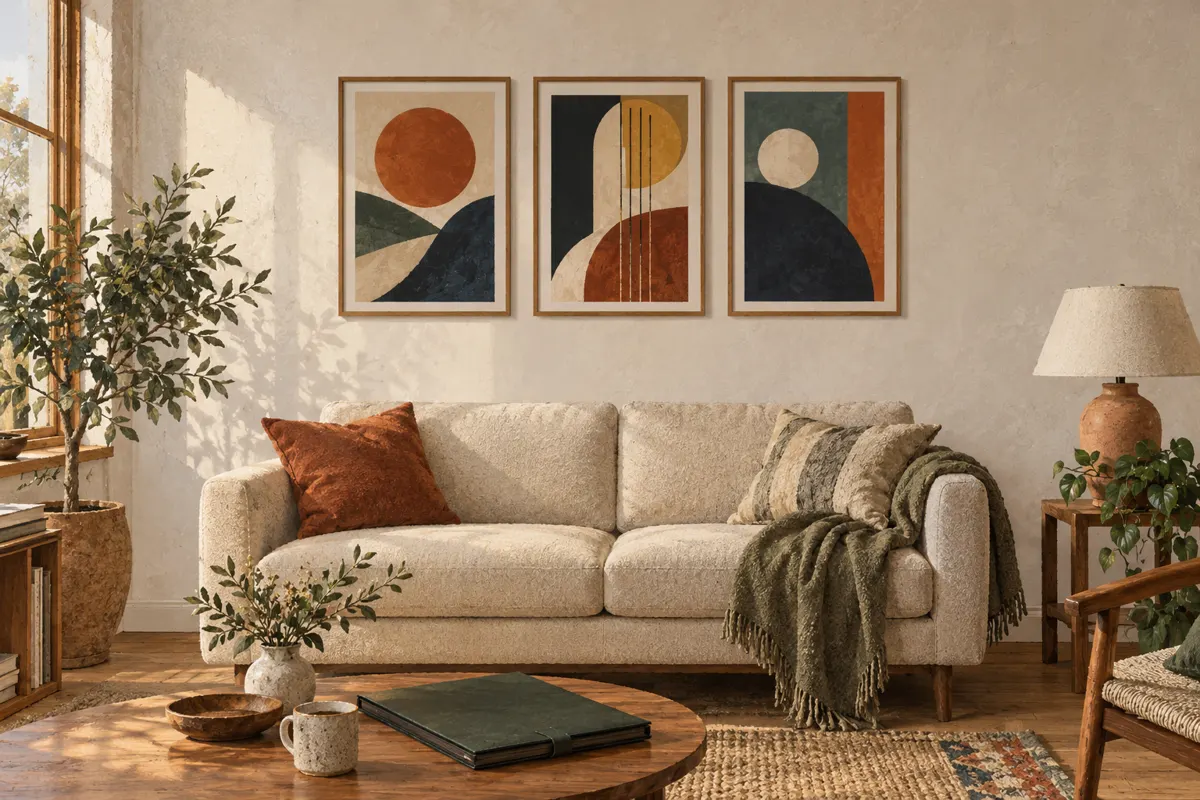
Display concert posters in a small room by choosing one focused grouping, using coordinated frames and leaving some wall space clear. Keep the display out of direct sunlight, then rotate other posters into the same positions instead of expanding across every wall. You can enjoy the collection without showing all of it at once.
Choose a small group with something in common
Start with the posters you most want to see every day. A memorable show, a favorite artist or an illustration you love is a better starting point than trying to fit everything you own. Put your candidates side by side and look for a connection: similar colors, the same illustrator, one band or a particular period of your concertgoing life.
As an editorial proposal, begin with one large poster or a group of two or three smaller ones. Treat that as a starting layout, not a fixed limit. A large print may fill the available space by itself; several quieter designs may work together. Let the wall and the artwork determine the final selection.
- Choose one poster as the focal point.
- Add companions that repeat a color or visual theme.
- Set aside competing designs for a later rotation.
- Keep tickets and other memorabilia for a separate display if they make this grouping feel crowded.
Give the frames a shared look
Concert posters often contain bold lettering and several strong colors. Simple framing gives those details room to stand out. Choose a frame finish that works across the selected group, such as black or natural wood, rather than matching every poster with a different bright frame. Neutral mats can also help connect artwork with different palettes.
Measure each poster before choosing a frame, and include the outside frame dimensions when planning your wall. A slim profile is one option for keeping a large poster visually contained. Smaller prints can have mats, but allow for the extra space they add. Matching finishes can create continuity even when the frame sizes differ.
Check the materials as well as the appearance. Look for acid-free matting and backing, and consider glazing with UV protection. A mat creates separation between the paper and the glazing. If you prefer an unmatted appearance, ask a framer how to maintain that separation within the frame.
Plan one display area before hanging
Choose a defined area above a desk, beside a reading chair or on another wall you see regularly. As an editorial proposal, keep the grouping within the visual width of the furniture beneath it. This gives you a practical boundary and helps you decide when another poster would make the arrangement too busy.
- Measure the usable wall area, allowing room for switches, doors and furniture.
- Cut paper templates to the outside dimensions of the frames.
- Arrange the templates using a wall-safe temporary method suitable for your paint finish.
- Try a shared top edge for a row, or a shared centerline for frames of different heights.
- Keep the gaps consistent, then view the arrangement from the doorway and your usual seat.
- Remove a template if the grouping feels crowded, then install hardware appropriate for the frame weight and wall type.
Leave a visible margin around the finished group. You do not need to fill the nearby corner or the strip of wall above it. Clear space makes the selected posters easier to notice and leaves room for the rest of the room’s furnishings.
Choose a spot away from direct sunlight
Before settling on a wall, check whether sunlight reaches it during the day. Choose a position outside the direct path of the sun. UV-protective glazing can help reduce fading, but it should be an additional precaution rather than a reason to place a treasured poster in a sunny window.
Also check reflections from your usual viewing position. If a window or lamp obscures the artwork, try another position before hanging. Handle the paper carefully during framing and keep moisture away. For a fragile, signed or damaged poster, seek professional advice before attempting repairs.
Rotate the collection within the same footprint
Keep the display’s boundaries in place as the selection changes. An editorial proposal is to swap posters when you feel ready for a different mood, choosing replacements that fit the existing frames where possible. This refreshes the room without adding more objects to the wall.
Store the remaining collection in acid-free archival sleeves or a suitable print portfolio. Ordinary mailing tubes and packaging are intended for temporary protection, and acidic packaging can contribute to discoloration. Keep a simple list of poster dimensions so you can identify the next swap without repeatedly unpacking everything.